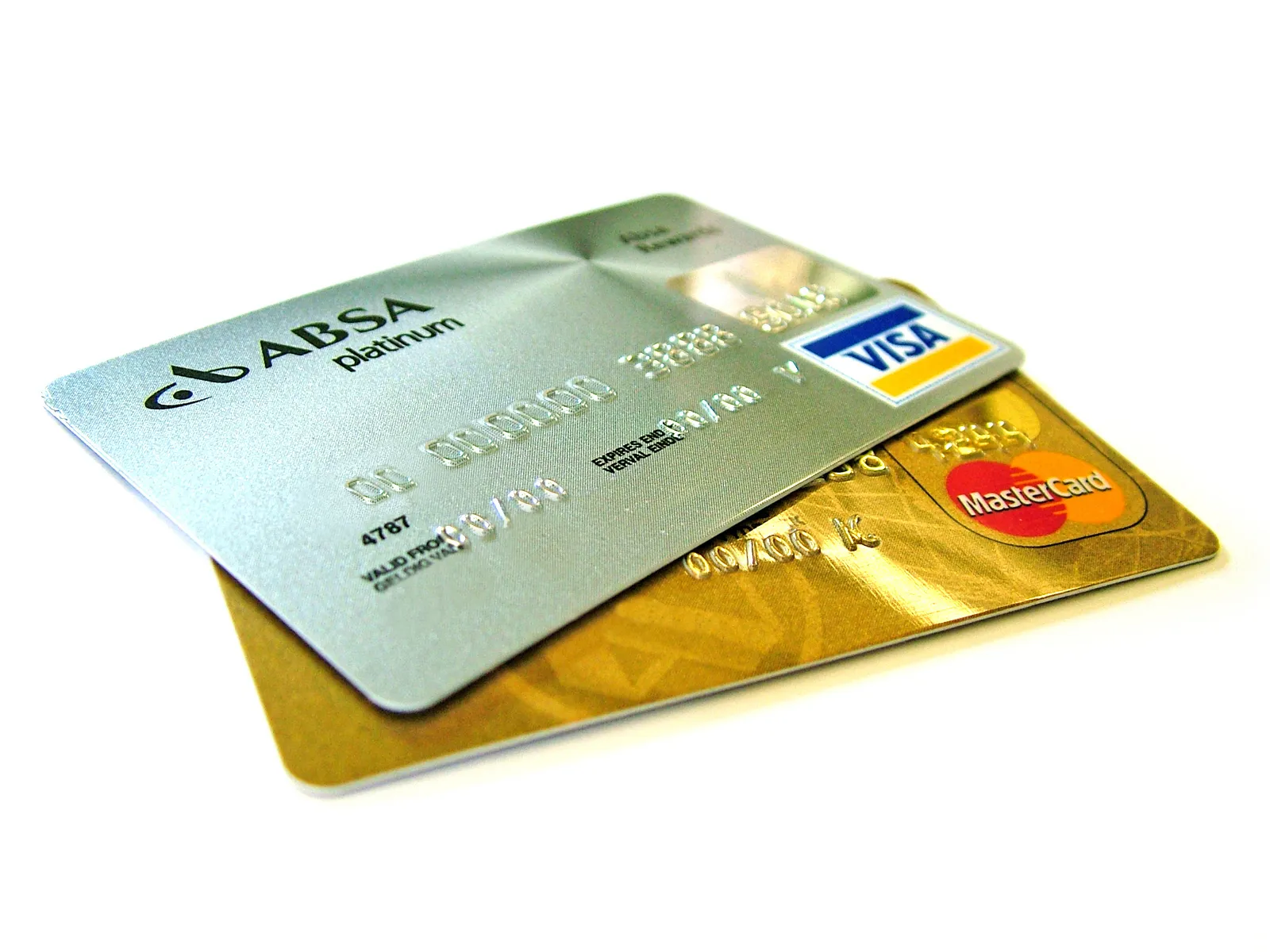

The fastest way to build credit is to get one account that reports to the credit bureaus, use it lightly, and pay on time every month. You can usually have a FICO Score after about six months, but a strong score takes longer, because part of the score is simply how long you’ve had credit [1][2].
So “fast” here means not wasting months: picking tools that actually get reported, avoiding moves that set you back, and knowing what no product can speed up.
At a glance
- Minimum for a FICO Score
- One account open 6+ months and one reported in the past 6 months [2]
- Biggest score factor
- Payment history, 35% of a FICO Score [1]
- Second biggest
- Amounts owed, 30% [1]
- Length of history
- 15%, and only time builds it [1]
- Doesn't build credit
- Debit cards, cash, prepaid cards, payday loans [3]
What a score is built from
FICO groups what it looks at into five categories [1]:
| Category | Share of score | Can you speed it up? |
|---|---|---|
| Payment history | 35% | Each on-time month adds to it |
| Amounts owed | 30% | Yes, low balances show up at the next report |
| Length of credit history | 15% | No, it only grows with time |
| New credit | 10% | Opening fewer accounts helps |
| Credit mix | 10% | Not worth borrowing just for this |
The two biggest pieces are the ones you control month to month. Paying on time and keeping balances low are where your effort pays off.
Moves that add positive history
A secured credit card. You put down a deposit, and it usually becomes your credit limit. The CFPB says deposits often run from $50 to $300, and that you can generally build credit with a secured card, but you should ask the issuer whether it reports to the credit bureaus [4]. If it doesn’t report, it won’t help. Many secured cards let you move to a regular card after a stretch of on-time payments [4].
A credit builder loan. A bank or credit union holds the loan amount in a locked account while you make small payments, usually over six to 24 months. Those payments are reported, and you get the money at the end [3][4]. It’s a way to build a payment record and savings at the same time.
Becoming an authorized user. If a family member with a long, clean card history adds you to their account, that account can show up on your credit report. The CFPB found that about 9.6 percent of consumers got their first credit record this way [5]. It only helps if the main cardholder pays on time and keeps the balance low, since their habits become part of your file.
A retail or gas station card. These tend to be easier to get and have lower limits, the CFPB says [3][4]. A low limit means a small purchase can push utilization up, so pay it off before the statement closes.
Reported rent. Rent counts only if it’s reported to a credit bureau, and only in newer FICO versions such as FICO Score 9 and FICO Score 10 [6]. FICO says on-time rent may have a bigger positive effect if your history is limited [6]. Many landlords don’t report it, so ask yours [6].
What doesn’t help, or slows you down
- Debit cards, cash and prepaid cards. You’re not borrowing and repaying, so there’s nothing for a credit file to record [3].
- Payday loans. Even on-time payments generally aren’t reported to the nationwide credit bureaus [3].
- “Buy here, pay here” car loans. The CFPB warns these dealers often report only late payments, not on-time ones [3].
- Applying for several cards at once. Opening a lot of new accounts in a short time is seen as riskier, especially when your history is short [1]. Each application can also bring a hard inquiry.
- Maxing out a new card. A high balance relative to the limit hurts the amounts owed category, even if you pay in full later [7].
A realistic timeline
Here’s what the first year can look like if you open one reported account and pay on time.
| When | What's happening |
|---|---|
| Month 1 | Account opens and the first payment is reported |
| Months 1 to 6 | On-time payments build up; you may not have a FICO Score yet |
| About month 6 | FICO's minimum is met if the account is still open and reporting |
| Months 6 to 12 | More on-time history; secured cards may offer to graduate |
| Year 2 and on | Account age keeps growing; that part can't be rushed |
Some score versions may have slightly different requirements [2], and lenders choose which score they use. Your number at any point depends on everything in your file, so no one can tell you in advance what score you’ll have or when.
Keep balances low from day one
Card companies usually report your balance from the day your statement closes [7]. If you put $250 on a $300 secured card, the bureaus may see an 83 percent balance even if you pay in full on the due date. A small, regular charge paid off each month is enough to build a record. For the details, see Credit Utilization: How Much of Your Limit to Use, Per Card and Overall.
Check your reports as you go
Pull your credit reports for free and confirm your new account shows up and is reported correctly. Free Credit Reports: Weekly From All Three Bureaus, and the Only Official Site explains how. If something is wrong, you can dispute it with the bureau and the lender at no cost [8].
Can credit repair help you move faster?
Building new history takes time, and no product or service can make an account older. Accurate negative information generally can’t be removed from your report [8]. But if your reports also carry items that are inaccurate, incomplete, outdated or unverifiable, getting those addressed can help alongside your new accounts.
That’s where a credit repair company can help. It pulls and reviews all three reports, spots items worth challenging, and files and tracks disputes with each bureau and with creditors and collectors. It follows up on the investigation deadlines, keeps records and keeps going round after round, so you can focus on on-time payments and low balances. You can file disputes yourself; a company handles the work and the follow-up for you [8][9].
Federal law sets clear rules that reputable companies follow: the company can’t charge you before it has performed the services it promised [10], it must give you a written, dated contract before it starts [11], and you can cancel within three business days without charge [9][12].
Sources
- myFICO: What's in my FICO Scores?
- myFICO: What are the minimum requirements for a FICO Score?
- Consumer Financial Protection Bureau: What are some ways to start or rebuild a good credit history?
- Consumer Financial Protection Bureau: Building credit from scratch (PDF)
- Consumer Financial Protection Bureau: Data Point, Becoming Credit Visible (PDF, 2017)
- myFICO: How to Add Rent Payments to Your Credit Reports
- myFICO: What Should My Credit Utilization Ratio Be?
- Consumer Financial Protection Bureau: Is it possible to remove accurate negative information from my credit report?
- Federal Trade Commission: Fixing Your Credit FAQs
- 15 U.S.C. § 1679b, Prohibited practices (Credit Repair Organizations Act, Cornell LII)
- 15 U.S.C. § 1679d, Credit repair organizations contracts (Cornell LII)
- 15 U.S.C. § 1679e, Right to cancel contract (Cornell LII)
Next steps
BestAmerica has a business relationship with these companies, and we may earn money if you use them. How we make money
Credit repair company
Credit Saint
If an old debt or another item on your credit report looks wrong, Credit Saint can help you challenge it with the credit bureaus.
You can also dispute errors yourself, for free, with Equifax, Experian and TransUnion. No company can legally remove accurate, timely information, and results vary.
Learn about Credit Saint →Free financial app
Bolster
Bolster is a free app for keeping an eye on your credit and building credit history over time.
Check the app's terms for any optional paid features.
See Bolster →Common questions
How long does it take to build credit from nothing?
To get a FICO Score you need at least one account that's been open six months or more and at least one account reported in the past six months. One account can meet both. A strong score takes longer, because length of history is part of the score.
Does paying with a debit card build credit?
No. Debit cards, cash and prepaid cards don't build credit history, because you aren't borrowing money and paying it back.
Can I pay someone to build my credit faster?
No one can speed up the clock on account age or remove accurate negative information. A credit repair company can help with the other side: it reviews all three reports and disputes items that may be inaccurate, incomplete or unverifiable while you build new history. Under federal law, it can't charge you before it has done the work it promised.
Does rent count toward my credit?
Only if it's reported to a credit bureau, and only in newer FICO Score versions such as FICO Score 9 and 10. Many landlords don't report rent.